
23 October 2026
IHSSC Researchers Explore Religious Heritage and Urban Transformation in Datong, China
Datong, Shanxi Province, China | October 2026
Researchers from the Institute of Humanities and Social Sciences of Canada (IHSSC), including Cui Feng and Terry Robertson, conducted a field visit to Datong, a historic city in northern China, to examine the role of religion and religious institutions in urban development within the broader Asian context.
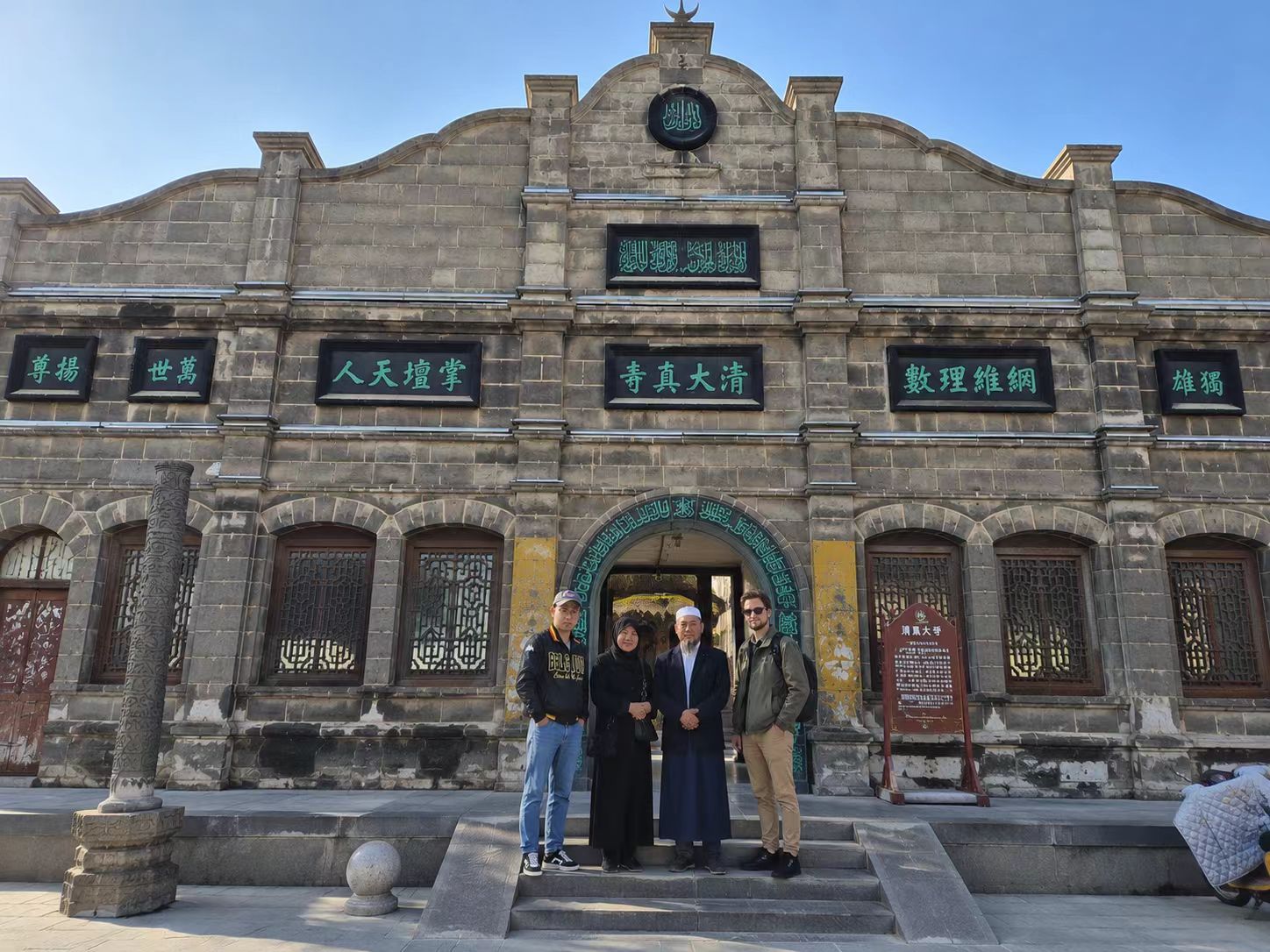
The visit brought together three strands of the city’s religious heritage: Islam, Buddhism, and Catholicism. At the historic Datong Mosque, the researchers met with Ma Weizhong and Ma Yulan and explored the cultural significance of the local Muslim community and its distinctive Chinese-style religious architecture.
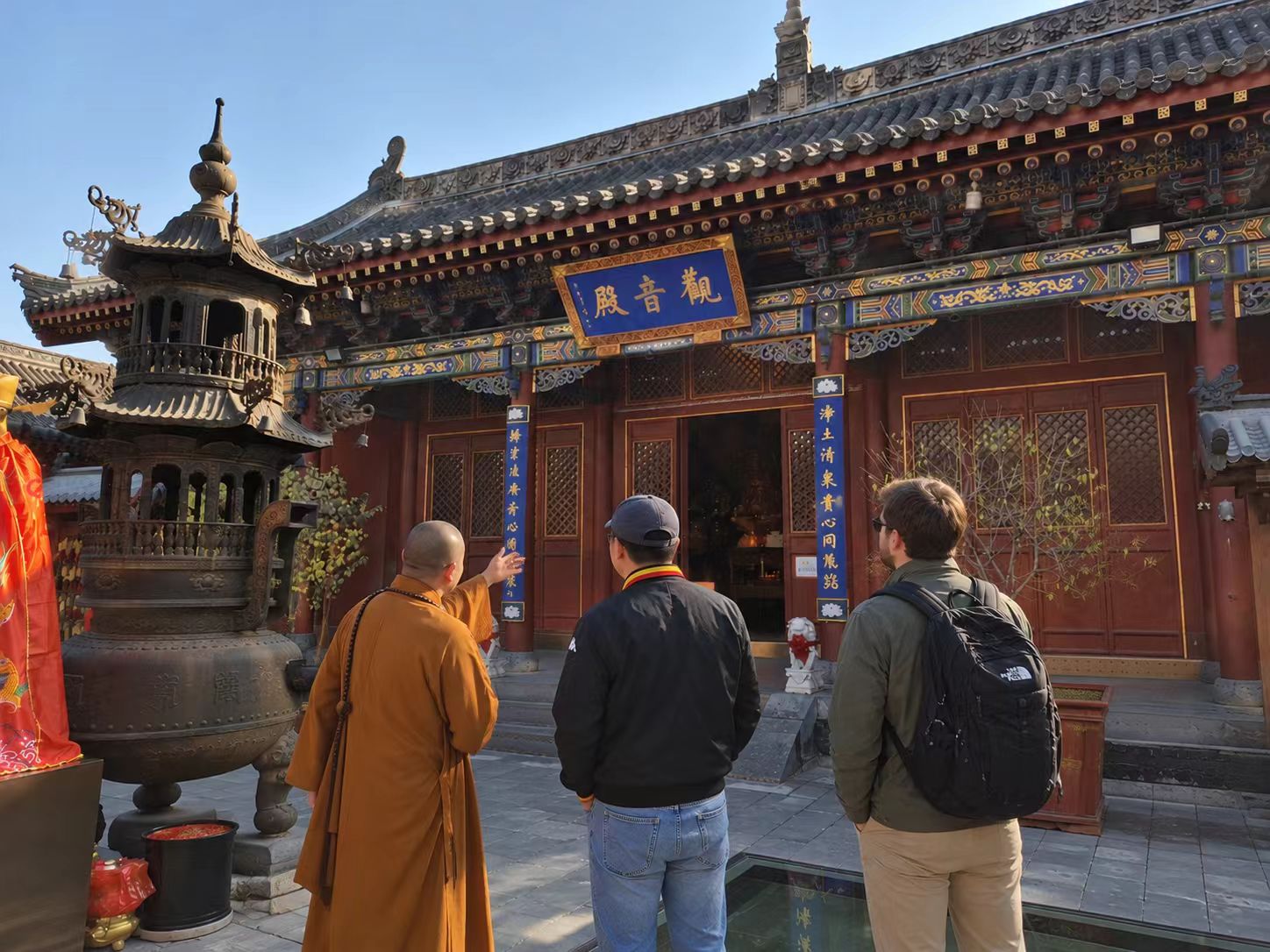
At Yuantong Temple, Venerable Huineng introduced the temple’s history and discussed its place in Datong’s religious and cultural landscape.
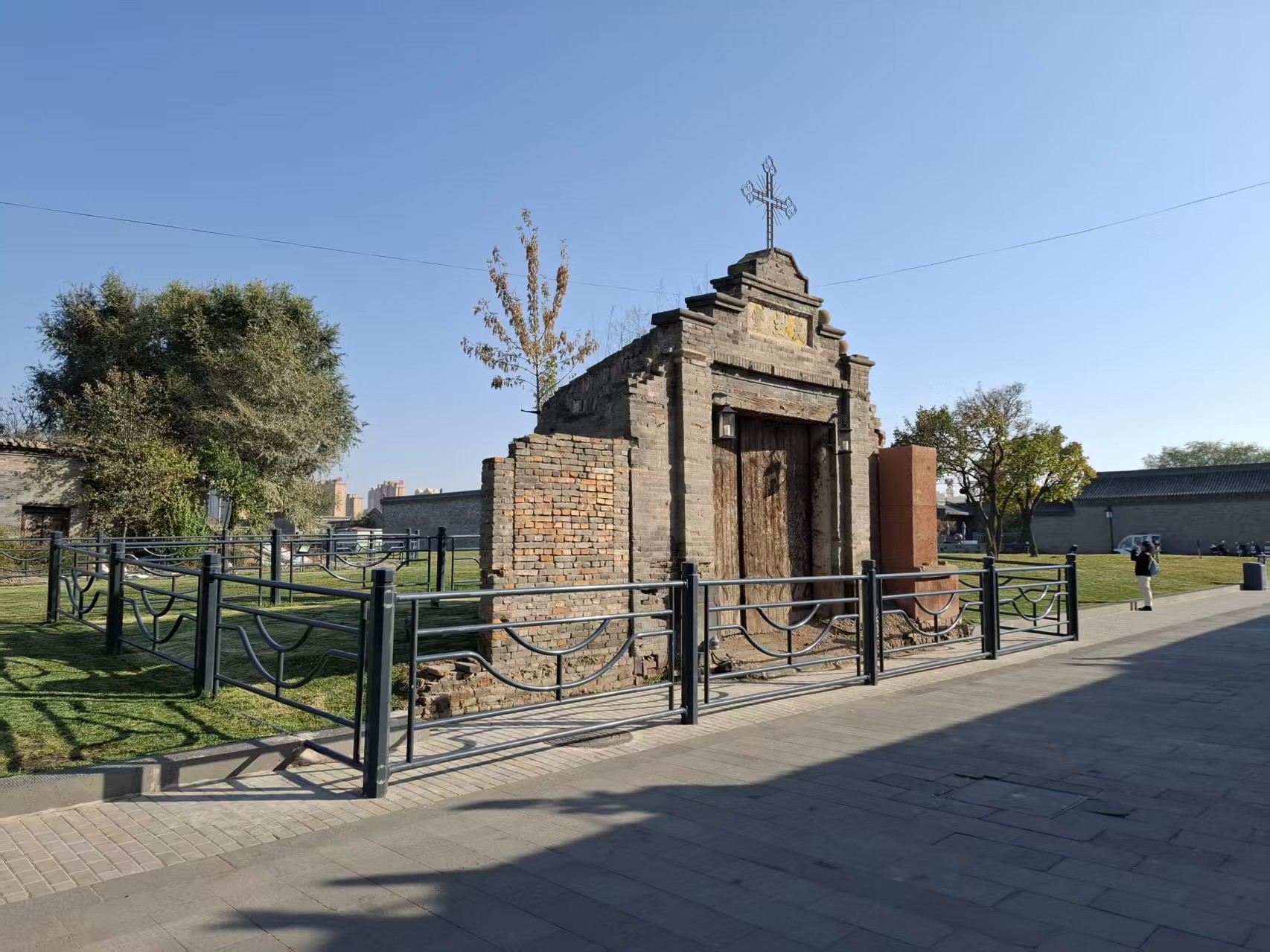
The researchers also visited the historic remains associated with the Sacred Heart of Mary Catholic Church in Datong. The church was established in the late nineteenth century, destroyed during the Boxer Uprising in 1900, and rebuilt in 1906. It suffered further damage during the Cultural Revolution, reflecting the turbulent history of Catholic religious spaces in the region.
Together, these site visits offered perspectives on how religious communities and sacred spaces have endured, changed, and sometimes been destroyed or reconstructed as this ancient city evolved in the modern era. The visit forms part of IHSSC’s wider interest in religion, cultural heritage, and urban transformation in Asian societies.